The Millennium Ecosystem Assessment is one of the most predominantly used typologies, which define the ES as “benefits people obtain from ecosystems” and categorise them into four categories: (i) provisioning (products obtained from ecosystems, including the supply of freshwater for drinking, and fish); (ii) regulating (the benefits obtained from the regulation of ecosystem processes, such as erosion prevention or water purification); (iii) supporting (processes that are necessary for the production of other ecosystem services, such as nutrient cycling and habitat provision) and (iv) cultural services (nonmaterial benefits such as recreational activities including swimming or canoeing, the aesthetic beauty of rivers, or their spiritual significance among many communities). The ecosystem services provided by rivers and the broader catchments/ watersheds that are hydrologically connected are termed as ‘Riverine Ecosystem Services’ (Thorp et al., 2006). This encompasses both the direct (i.e. production of hydroelectricity) and indirect benefits (i.e. flood mitigation, irrigation, and recreational activities) obtained from rivers.
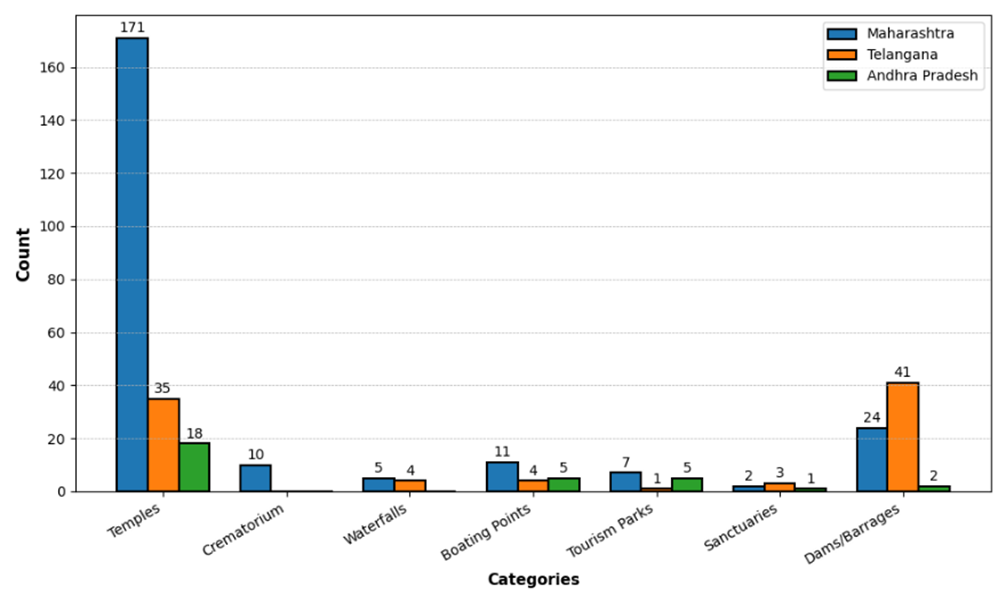 Fig. 1 The figure shows the distribution of temples, crematoriums, waterfalls, boating Points, tourism parks, sanctuaries, and Dams/Barrages/Small Check Dams in Maharashtra, Telangana, and Andhra Pradesh
Socio-Cultural, Transport, and Tourism Landscape of the Godavari River Basin
The Godavari River supports a diverse cultural landscape comprising historic sites, pilgrimage centres, ferry ghats, tourist destinations, and major urban settlements. Religious sites such as Shri Hazar Sahib Nanded, Datta Guru Temple Kopergaon, and Shri Rama Temple Bhadrachalam highlight its importance for pilgrimage and religious tourism. Ferry ghats, including Basar and Kaleshwaram, provide essential local connectivity and support riverine communities. Major landmarks such as Jayakwadi and Sriram Sagar Dams contribute to irrigation, fisheries, and water management. Fertile floodplains, agriculture, and river-based trade have encouraged settlement and urbanization along the basin. Overall, Fig. 2 highlights the integrated cultural, economic, transport, and ecological significance of the Godavari River.
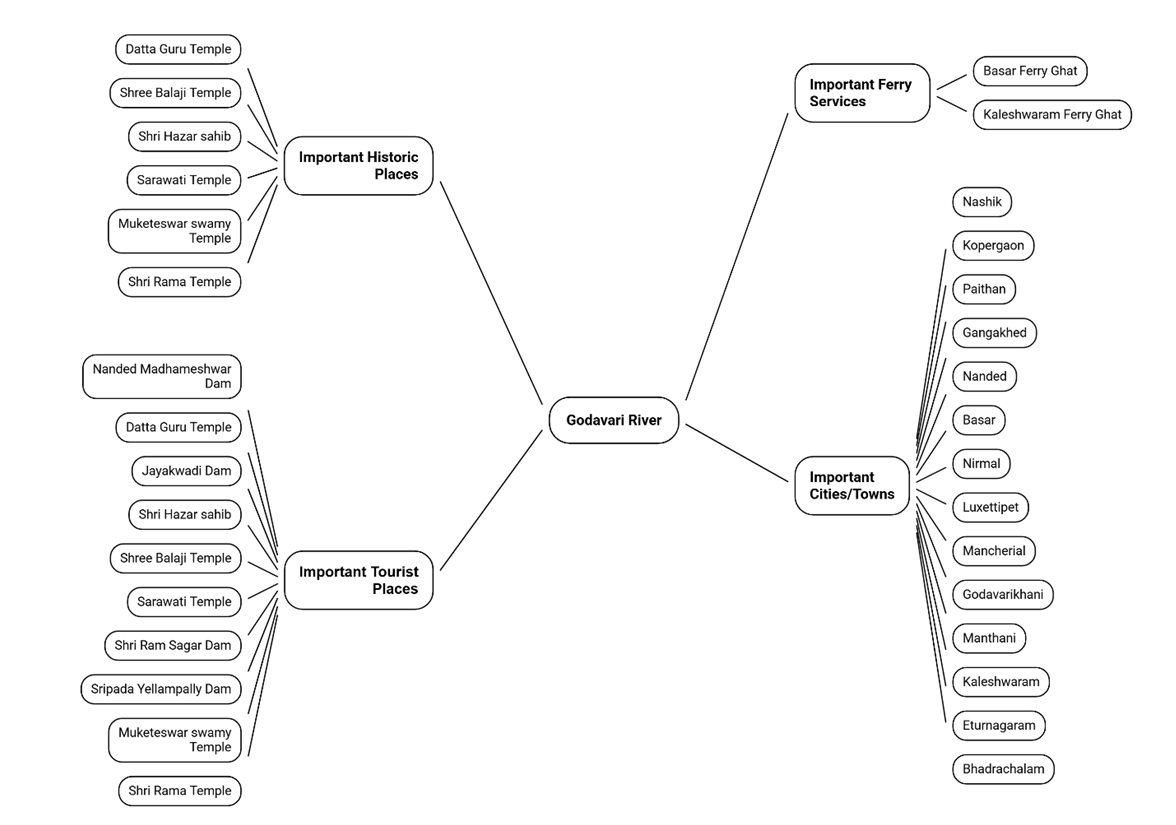
Fig. 2 Distribution of Important Historic Places, Ferry Services, Tourist Sites, and Major Cities/Towns along the Godavari River Basin
The diagram (Fig. 3) illustrates the interconnected relationship between riverine fisheries, ecological processes, human interventions, and economic activities in the Godavari River. Ecological processes such as water flow, nutrient cycling, and habitat availability support fish production, biodiversity, and ecosystem services, while dams and reservoirs regulate flows but may disrupt migration and sediment transport. Natural features depicted such as upland catchments, waterfalls, and free-flowing river stretches contribute to supporting services, including habitat provision, spawning grounds, and maintenance of aquatic biodiversity. These ecological foundations enable fish production and sustain diverse aquatic life forms. Fisheries provide food, employment, income, and cultural benefits to local communities, linking river resources with markets and livelihoods. Economic components such as boats, fish markets, and eateries represent provisioning and cultural ecosystem services. The feedback cycle highlights that healthy ecosystems sustain fisheries, whereas overfishing, habitat alteration, and flow regulation can reduce ecosystem productivity and service delivery.
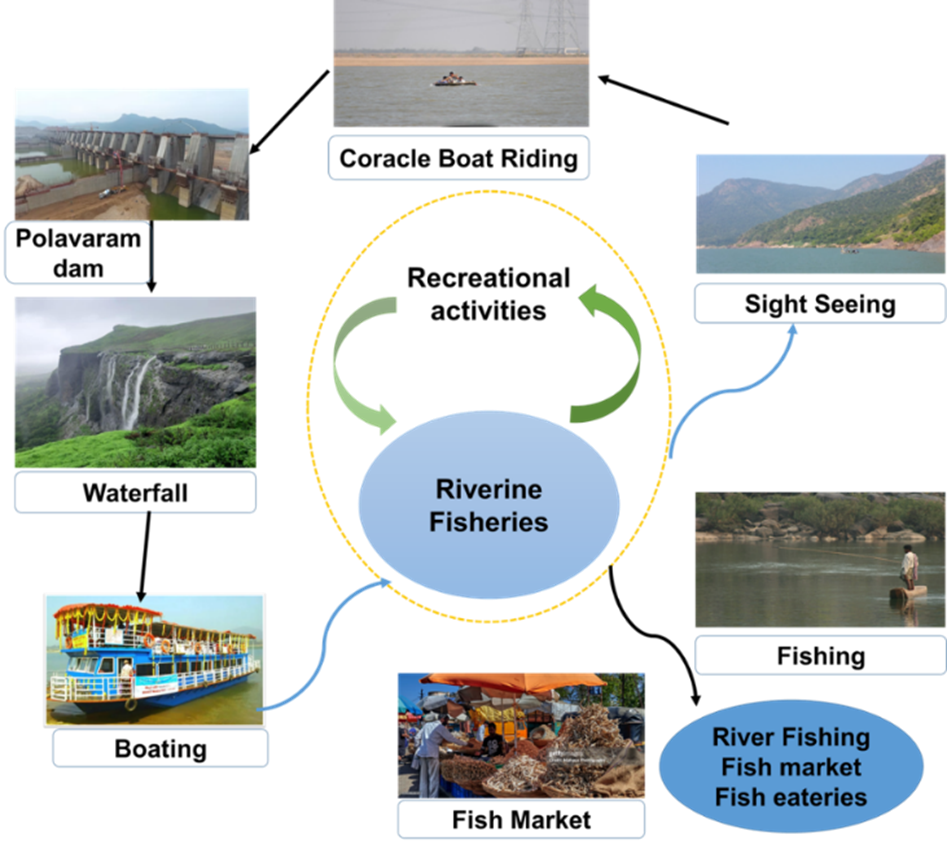
Fig. 3 An overview of fisheries-related activities on the Godavari River.
Provisioning services
The tangible benefits that can be extracted from an ecosystem, consumed, or traded, including water supply, food, minerals, fuel, and raw materials. These are considered an output of materials, nutrients and energy from an ecosystem, which are generally extractive in nature. The Godavari River provided multiple provisioning services to the dependent community, including drinking water, fish production, medicinal plants and fodder production, hydropower generation, sand and raw construction materials.
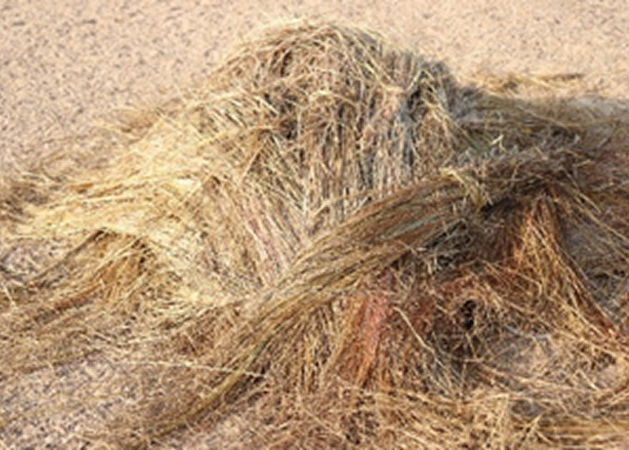
Raw material for making a hut
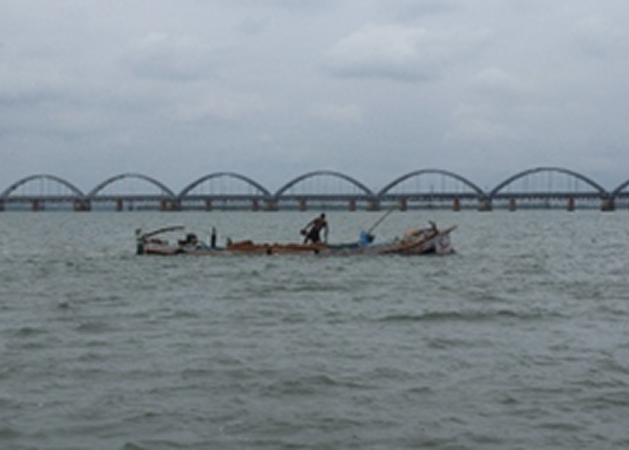
Sand Collection
Supporting Ecosystem services
These are those that are necessary to produce all other ecosystem services, including habitat provision, water cycling, primary production, and soil formation. The continuous availability of freshwater is a provisioning service, but this service is only possible by the maintenance of the water cycle. They differ from other ES in that their impacts on people are often indirect or occur over a very long time.
Fertile delta region (soil formation) support agriculture production
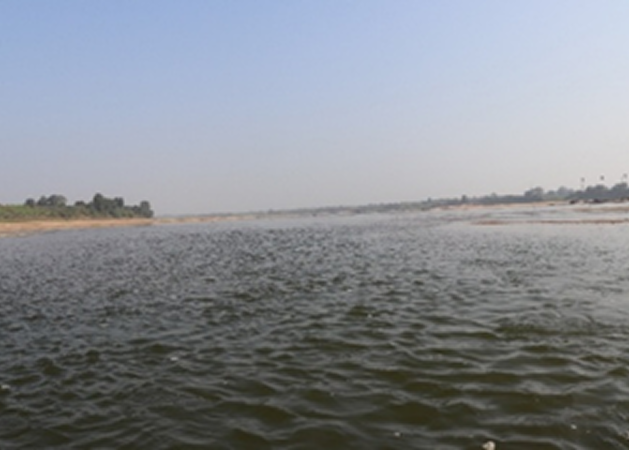
Deep pools supporting rich fish diversity
Regulating Ecosystem services
Regulating ecosystem services are ecological processes, including food web dynamics and maintenance of water quality (natural filtration and water treatment), which are essential for life support systems. Other processes include carbon sequestration, pollination, biological control of pests, erosion prevention, flood control, waste decomposition and detoxification.
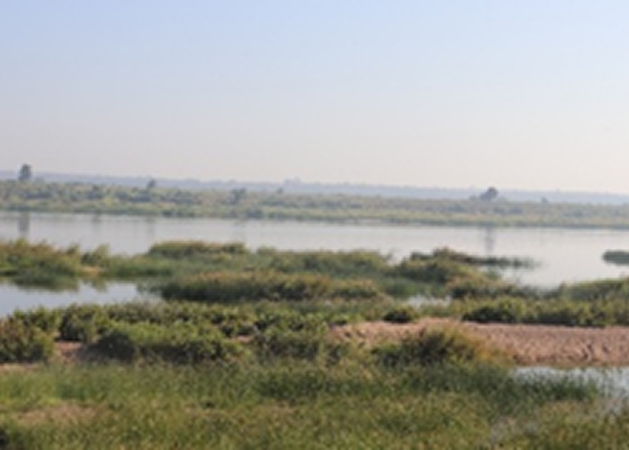
Riparian vegetation retains nutrients and sediments entering from the catchment, thus maintaining water quality
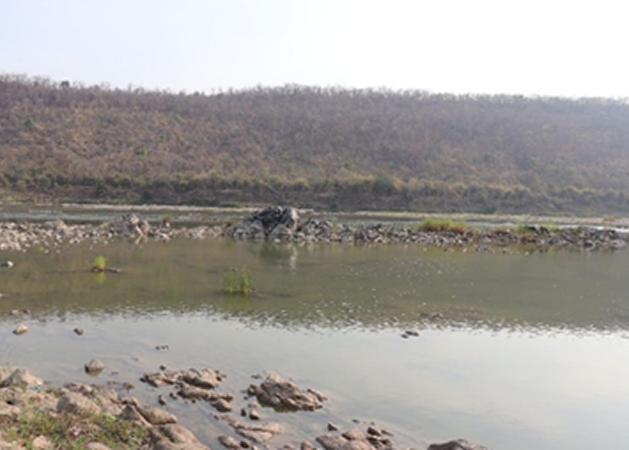
Shallow deep pools along the Godavari River near Munyal, in the backdrop of Kawal Tiger Reserve, Telangana during premonsoon (April 2024)
Cultural Ecosystem Services
These are tangible and intangible “goods and chattel” that people gain through their own experience in interaction with landscapes, resulting in information about “natural and cultural diversity, spiritual and religious values, knowledge systems, educational values, inspiration, aesthetic values, social relations, sense of place, cultural heritage, recreation, and ecotourism.
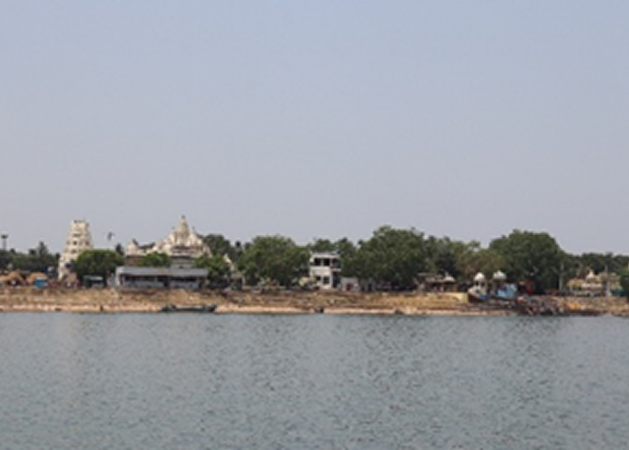
View of temple ghat along the Godavari Riverbank at Kovvur
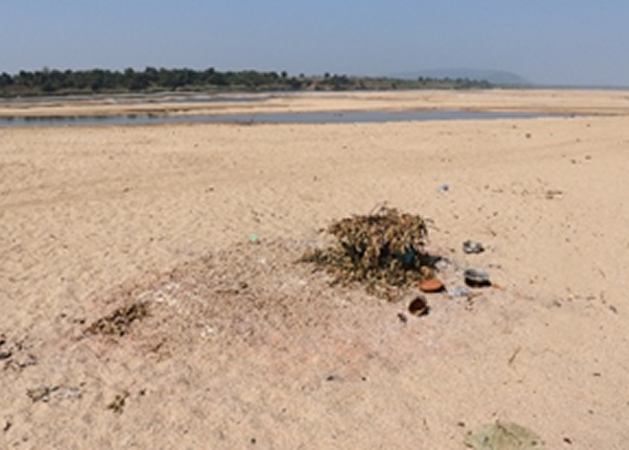
Traditional pujas on the riverbed in Pranhita River (Border of Maharashtra and Telangana)
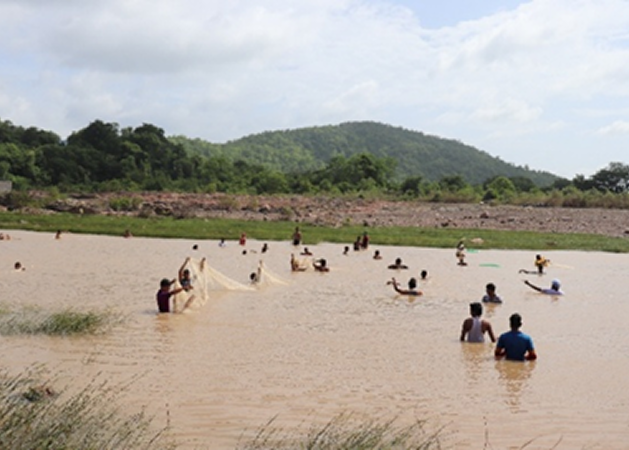
Local fishers harvesting during monsoon dam release